
 Mary (Molly) Fergusson was born in Stoke, Plymouth on 28 April 1914, living here until she was 10.
After moving to York, she was encouraged by her family and school to enter a traditionally male dominated field and graduated from Edinburgh University in 1936 as a civil engineer.
She became the one of the first female directors of an engineering firm, Blythe & Blythe in 1948, after working on the shop floor for a year unpaid before earning a wage.
On 15 January 1957, she became the first woman to be elected as a full member of Britain’s senior engineering society, the Institution of Civil Engineers. In 1967, Fergusson was part of the organisational committee for the Second International Conference of Women Engineers and Scientists.
National Grid named a 510 tonne, 160-metre-long tunnel boring machine “Mary” after Fergusson, in honour of her status as the first female fellow of the Institution of Civil Engineers. It was used between 2018 and 2019 to bore a tunnel under the River Humber as part of a project to secure 20% of Britain’s gas supplies.
Engineering remains predominantly male dominated in the UK. According to Engineering UK (2021), only 14.5% of all engineers are female (the lowest percentage in Europe). Whilst this percentage is gradually creeping up, it is interesting that thoughts of a career in engineering seem to fall as girls move towards adulthood. The survey results showed that 60% of girls between 11 and 14 thought they could become an engineer if they wanted to (72% for boys), whereas for girls between the ages of 16 and 19, only 25% said they would consider a career in engineering (compared to 53% of boys). In 2017, 15% of engineering undergraduates in the UK were women, compared to over 30% in India.
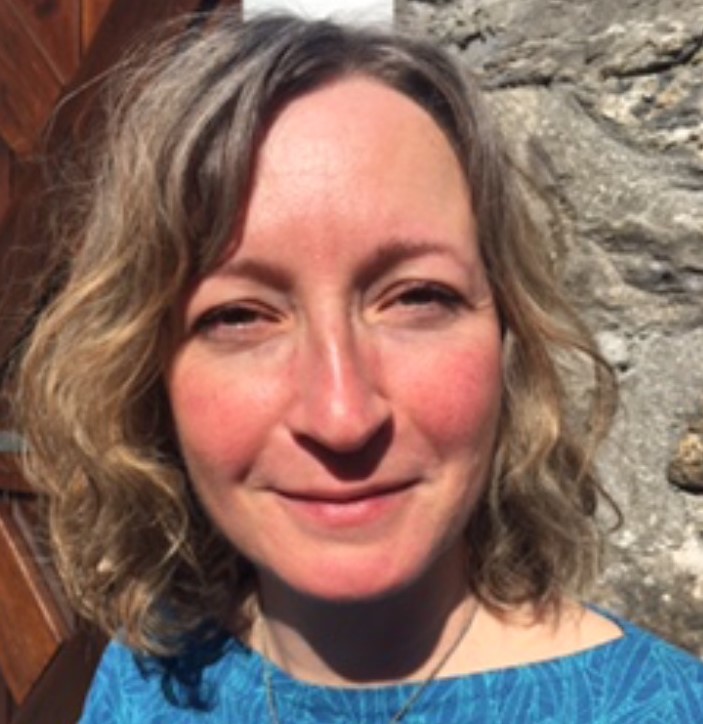 We met up recently with a local civil engineer, Sarah Durbridge and asked a few questions.
“You did not begin your career in Engineering, can you briefly explain what you were doing beforehand?
When I left school, I trained to be a Legal Executive and spent about 15 years working as a lawyer, dealing with personal injury and industrial disease claims. I then joined the Insolvency Service, which is part of the Civil Service, as an Investigator, spending my time looking into the business affairs of failed companies and writing director disqualification reports.
“What made you make the career change?
I decided not to go to university straight after A-levels for various personal reasons and worked while I studied for my legal qualifications. Then in my late 20s, I became a single mum, which meant that earning a regular income became the absolute priority.
My son is now grown up and I am lucky enough to have a very supportive partner, which meant that in 2017 I started to consider changing the direction of my career. My favourite subjects at school were always maths and science and I’d often thought over the years that “if I had my time again” I would train to be an engineer. I decided to study a degree in Civil and Coastal Engineering at Plymouth University because I realised that there are opportunities for civil engineers to be involved in basically everything built that doesn’t move!
“Describe the job you got after graduating?
Since graduating in June 2021, I have been working at Plymouth City Council in the Engineering Design Team (part of Strategic Planning and Infrastructure) as an Assistant Flood Risk Engineer. I currently work on the Building Resilience in Communities (BRIC) project, which is a 2-year EU funded project. The BRIC Team are working in the Lipson Vale and St Levan areas helping people to prepare better for flooding, act quickly during a flood event and recover well. Day to day my work is really varied – working out how technical flood warning systems will be delivered, managing public consultations, engaging with local communities, writing reports and attending lots of meetings!
“Why is the job important to you, your city and the environment?
My job gives me an opportunity to make a positive and practical difference to the lives of people living in Plymouth. It’s particularly rewarding to be working for the city where I have lived happily for over 20 years.
Whilst Plymouth doesn’t suffer from widespread flooding like some other parts of the country, there are still risks that need to be addressed, particularly with sea level rises and increased storm events associated with climate change. What’s great is that whilst reducing our flood risk, we can also improve the biodiversity and appearance of the city’s public spaces.
“ What could be the best result from the job you could imagine?
That we have less flooding in Plymouth, but that when it happens, people are better prepared for it. Also that people understand that they can make simple changes that will help reduce flooding in the city – for example, by storing surface water in a water butt.
“What skills do you think are essential to become a civil engineer?
Generally, I think it’s essential to be a good communicator and team player, because you will always be working as part of a bigger team. In my type of role, project management and report writing skills are important, as is the ability to problem solve and be flexible. In more technical roles, engineers will be expected to do calculations and use technical computing packages.
“What would you say to anyone wondering about this line of work?
Civil engineering is such a varied industry that I could pretty much guarantee that most people could find a role within it that would be of interest to them, whether that be on construction sites, working for consulting firms, or for local or central government. There are ways into the industry that don’t involve an engineering degree, and I have found no issues with being an “outlier” as both a mature career changer and a woman, so I would say go for it because you won’t regret it!